Talk to one of the team 01277 239943 Call Us
Check your eligibility Get A Quote
Clear Business Finance
  • Equipment Finance
  • Business Loans
  • Vehicle Finance
  • Invoice Finance
  • Development Finance
  • Finance for your Customers
Trustpilot
  • Learn More
    • About Clear
    • Meet The Team
    • Careers
    • Environmental Pledge
  • Products
    • Equipment Finance
    • Business Loans
    • Vehicle Finance
    • Invoice Finance
    • Development Finance
    • Green Energy Finance
    • Merchant Cash Advance
  • Offering Finance
    • Accountant Referral Program
    • Finance for your Customers
    • Finance Training
    • Brands We Work With
  • Finance Explained
    • Sectors We Help
    • Case Studies
    • Blog
  • Equipment Finance
    • Leasing
  • Invoice Finance
    • Select Invoicing
  • Development Finance
    •  
  • Finance Explained
    • Sectors We Help
  • Business Loans
    • Unsecured Loans
  • Offering Finance
    • Finance for your Customers
    • Power of leasing
    • Finance Training
  • Sectors We Help
  • Vehicle Finance
    •  Vehicle Leasing
  • Learn More
    • About Clear
    • Meet The Team
    • Careers
  • Products
    • Equipment Finance
    • Business Loans
    • Vehicle Finance
    • Invoice Finance
    • Development Finance
    • Green Energy Finance
    • Merchant Cash Advance
  • Offering Finance
    • Accountant Referral Program
    • Finance for your Customers
    • Finance Training
    • Brands We Work With
  • Learn More
    • About Clear
    • Meet The Team
    • Careers
    • Environmental Pledge
  • Finance Explained
    • Sectors We Help
    • Case Studies
    • Blog
Trustpilot
Home > Blog > Information > What is debt financing and how does it work?
Back To Blog

What is debt financing and how does it work?

View Next
Information
4 Mins Read
Information
20th January 2026
Share On Facebook Share On Twitter Share On Linkedin

Debt financing allows a business to borrow money to fund growth, manage cash flow or invest in assets, while retaining full ownership of the company. The funding is repaid over time, usually with interest, under agreed terms.

It is one of the most widely used forms of business finance in the UK, covering everything from term loans and overdrafts to invoice finance and asset-backed lending. Used correctly, debt finance can support sustainable growth without diluting control.

This guide explains how debt financing works, the main options available, and how to decide whether it is right for your business.


What is debt financing?

Debt financing is when a business borrows a fixed amount of money, known as the principal, from a lender and repays it over an agreed period. Repayments typically include interest and may be made weekly or monthly.

Common examples of debt finance include:

  • Business loans
  • Bank overdrafts
  • Business credit cards
  • Asset finance
  • Invoice finance

Unlike equity finance, debt finance does not involve selling shares or giving up ownership. However, the business must meet its repayment obligations regardless of performance.

How debt financing works in practice

When applying for debt finance, a lender will assess:

  • Your business finances and trading history
  • Credit profile of the business and directors
  • How the funds will be used
  • Ability to service repayments

If approved, the lender will issue terms setting out:

  • The amount borrowed
  • Repayment period
  • Interest rate
  • Repayment schedule
  • Any fees or early repayment conditions

Once agreed, funds are released and repayments begin according to the contract.


Types of debt financing available to businesses

There are many forms of debt finance, each suited to different needs and trading models.

Business term loans

A term loan provides a lump sum that is repaid over a fixed period with regular repayments. These are commonly used for expansion, major purchases or refinancing.

Asset-based lending

Asset-based finance is secured against business assets such as equipment, stock or receivables. Borrowing levels are usually linked to asset value, making it useful for working capital management.

Bank overdrafts

An overdraft allows a business to spend more than its account balance up to an agreed limit. Interest is charged only on the amount used, making it suitable for short-term cash flow gaps.

Invoice finance

Invoice finance releases cash tied up in unpaid invoices. A lender advances a percentage of invoice value upfront and is repaid once customers pay. This can be particularly effective for businesses with long payment terms.

Lines of credit and trade credit

This includes business credit cards and supplier credit agreements. These facilities allow businesses to make purchases and repay balances over time, often on a rolling basis.

Specialist and less common options

  • Bonds: Typically used by larger businesses to raise capital from investors
  • Venture debt: Used alongside equity funding to extend runway without further dilution
  • Convertible debt: Loans that may convert into equity during a future funding round
  • Structured finance: Bespoke facilities combining multiple lending structures

Debt financing vs equity financing

When raising capital, businesses usually choose between debt finance, equity finance or a combination of both.

Debt finance

  • No ownership dilution
  • Fixed repayment obligation
  • Interest is often tax deductible
  • Requires consistent cash flow

Equity finance

  • No repayment obligation
  • Investors take ownership and influence
  • Suitable for early-stage or high-growth businesses
  • Dilutes control and future profits

Choosing the right option

Debt finance is often suitable when the business has predictable revenues and wants to retain control. Equity finance can be more appropriate where cash flow is uncertain or where strategic input from investors is valuable.

The right choice depends on business stage, growth plans and risk tolerance.


Advantages and disadvantages of debt financing

Advantages

  • Full ownership is retained
  • Predictable repayment schedules
  • Interest costs may be tax deductible
  • Clear end date once debt is repaid

Disadvantages

  • Repayments must be made regardless of profitability
  • Can place pressure on cash flow
  • Excessive borrowing increases financial risk

Debt should be structured carefully to support growth rather than restrict it.


How debt financing affects cash flow and credit

Debt repayments are a fixed outgoing and must be matched by reliable income. Businesses should ensure projected cash flow comfortably covers repayments before taking on borrowing.

Managing debt well can strengthen a business credit profile, improving access to future funding. Missed or late payments can have the opposite effect.

Using forecasting tools and up-to-date management accounts helps identify potential cash flow gaps early.

How much debt is too much?

A common measure is the Debt Service Coverage Ratio (DSCR), which compares operating income to debt repayments.

  • A DSCR of 1.25 or higher is generally considered healthy
  • Below this level may indicate that repayments are stretching cash flow

Is debt financing cheaper than equity?

In many cases, debt finance is cheaper than equity in the long term. Lenders typically expect lower returns than equity investors, and interest costs are often tax deductible.

However, debt creates fixed obligations. Equity may be more suitable for businesses prioritising flexibility over cost, particularly in early growth phases.


How to qualify for debt financing

Lenders assess risk carefully. Key factors include:

  • Credit profile: Clean repayment history and sensible use of credit
  • Trading performance: Stable revenues and realistic forecasts
  • Assets: Where security is required

Maintaining accurate financial records is essential. Accounting platforms such as Xero, QuickBooks or Sage make it easier to produce balance sheets, profit and loss statements and cash flow forecasts.


Is debt financing right for startups?

Debt finance is rarely suitable for pre-revenue or early-stage startups. Without predictable income, repayment risk is high.

Once a business has established customers and consistent revenue, debt finance becomes more viable and can support controlled growth.


Using business loans for debt financing

Business loans are often used once cash flow is stable and funding is needed to:

  • Invest in growth
  • Hire staff
  • Purchase equipment
  • Manage short-term cash flow gaps

Short-term and flexible facilities can be particularly effective when aligned with trading patterns.

Working with a broker can help ensure the structure and repayment terms are appropriate for the business, rather than forcing growth around unsuitable finance.

Enjoyed reading? Would someone in your network?

Share On Facebook Share On Twitter Share On Linkedin
Speak to the Team
Trustpilot
Trustpilot

Related Articles

Back To All News
Information
1st September 2026
Cash Flow Management in Retail: Challenges and Strategies for Retailers

Effective cash flow management is essential for every retail business. Whether operating a high street shop, ecommerce store, or multi-channel retail operation, maintaining healthy cash flow helps ensure the business can manage stock levels, cover operating costs, and respond quickly to changing customer demand. Retailers often face additional cash flow pressures due to seasonal trading …

4 Mins Read
arrow
Information
21st August 2026
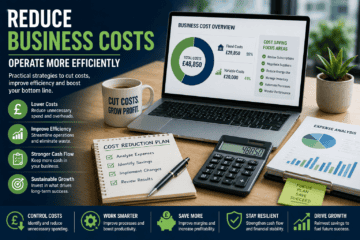
How to Reduce Business Costs and Operate More Efficiently

Rising operating costs continue to place pressure on UK businesses across nearly every sector. From energy bills and staffing costs to supplier pricing and technology upgrades, maintaining profitability often depends on how efficiently a business manages expenditure. Reducing business costs is not simply about cutting spending. It is about improving operational efficiency, protecting cash flow, …

4 Mins Read
arrow
Information
18th August 2026
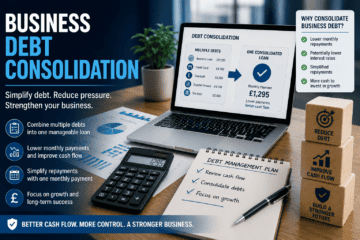
Business Debt Consolidation: How and When to Manage Existing Business Debts

Managing business debt is a normal part of running and growing a company. Whether funding expansion, purchasing equipment, managing cash flow, or covering unexpected costs, many businesses rely on borrowing at different stages of growth. However, when multiple repayments begin to place pressure on cash flow, business debt consolidation may help simplify finances and improve …

4 Mins Read
arrow
Newer
Back To Main Blog
Older

We are here to help

Still have questions?
Why not speak to a real person!
Expert help, whenever you need it.

Call us:
01277 239943

Opening hours (Exc bank holidays)
8:30am - 5:30pm Mon to Thu
9am - 5pm Friday

We are here to discuss your options, assist with existing agreements and are more than happy to take applications over the phone.

Alternatively, here you will find the answers to some
frequently asked questions relating to our products and services.

Clear Business Finance Clear Business Finance
#ClearTheWay
Get A Finance Quote

Check your business’s eligibility -
it's completely risk free!

  • Learn More
    • About Clear
    • Meet The Team
    • Careers
    • Environmental Pledge
  • Products
    • Equipment Finance
    • Business Loans
    • Vehicle Finance
    • Invoice Finance
    • Development Finance
    • Green Energy Finance
    • Merchant Cash Advance
  • Offering Finance
    • Accountant Referral Program
    • Finance for your Customers
    • Finance Training
    • Brands We Work With
  • Finance Explained
    • Sectors We Help
    • Case Studies
    • Blog
  • Equipment Finance
    • Leasing
  • Invoice Finance
    • Select Invoicing
  • Development Finance
    •  
  • Finance Explained
    • Sectors We Help
  • Business Loans
    • Unsecured Loans
  • Offering Finance
    • Finance for your Customers
    • Finance Training
  • Sectors We Help
  • Vehicle Finance
    •  Vehicle Leasing
  • Learn More
    • About Clear
    • Meet The Team
    • Careers
  • Products
    • Equipment Finance
    • Business Loans
    • Vehicle Finance
    • Invoice Finance
    • Development Finance
    • Green Energy Finance
    • Merchant Cash Advance
  • Offering Finance
    • Accountant Referral Program
    • Finance for your Customers
    • Finance Training
    • Brands We Work With
  • Learn More
    • About Clear
    • Meet The Team
    • Careers
    • Environmental Pledge
  • Finance Explained
    • Sectors We Help
    • Case Studies
    • Blog
Trustpilot
Linkedin-in Facebook-f Twitter Instagram Whatsapp

© Copyright Clear Business Finance. All rights reserved.
Suite 6, Ripon House, 35 Station Lane, Hornchurch, Essex, United Kingdom, RM12 6JL

Clear Business Finance is the trading name of Clear Asset Finance Limited, incorporated in England and Wales, company number 07462914.
Clear Business Finance is an independent finance brokerage not a lender, as such we can introduce you to a wide range of finance providers depending on your requirements and circumstances. We work with a panel of Lenders whose particulars will be supplied upon request to find a potentially suitable solution. We are not financial advisers and are unable to provide you with financial advice. Clear Business Finance will receive commission from the finance provider if you decide to enter into an agreement from them, details can be provided on request. Clear Asset Finance Ltd T/a Clear Business Finance is Authorised and Regulated by the Financial Conduct Authority under ICO Registration No Z2495520. Registered address: Suite 6, Ripon House, 35 Station Lane, Hornchurch, Essex, United Kingdom, RM12 6JL. Clear Business Finance can be contacted by email at info@clearbusinessfinance.com

  • Privacy Policy
  • Terms Of Business
  • Complaints Policy

website design by Impact Media ® Impact Media