Talk to one of the team 01277 239943 Call Us
Check your eligibility Get A Quote
Clear Business Finance
  • Equipment Finance
  • Business Loans
  • Vehicle Finance
  • Invoice Finance
  • Development Finance
  • Finance for your Customers
Trustpilot
  • Learn More
    • About Clear
    • Meet The Team
    • Careers
    • Environmental Pledge
  • Products
    • Equipment Finance
    • Business Loans
    • Vehicle Finance
    • Invoice Finance
    • Development Finance
    • Green Energy Finance
    • Merchant Cash Advance
  • Offering Finance
    • Accountant Referral Program
    • Finance for your Customers
    • Finance Training
    • Brands We Work With
  • Finance Explained
    • Sectors We Help
    • Case Studies
    • Blog
  • Equipment Finance
    • Leasing
  • Invoice Finance
    • Select Invoicing
  • Development Finance
    •  
  • Finance Explained
    • Sectors We Help
  • Business Loans
    • Unsecured Loans
  • Offering Finance
    • Finance for your Customers
    • Power of leasing
    • Finance Training
  • Sectors We Help
  • Vehicle Finance
    •  Vehicle Leasing
  • Learn More
    • About Clear
    • Meet The Team
    • Careers
  • Products
    • Equipment Finance
    • Business Loans
    • Vehicle Finance
    • Invoice Finance
    • Development Finance
    • Green Energy Finance
    • Merchant Cash Advance
  • Offering Finance
    • Accountant Referral Program
    • Finance for your Customers
    • Finance Training
    • Brands We Work With
  • Learn More
    • About Clear
    • Meet The Team
    • Careers
    • Environmental Pledge
  • Finance Explained
    • Sectors We Help
    • Case Studies
    • Blog
Trustpilot
Home > Blog > Information > How a Good Business Credit Score Helps You Access Business Finance
Back To Blog

How a Good Business Credit Score Helps You Access Business Finance

View Next
Information
3 Mins Read
Information
10th February 2026
Share On Facebook Share On Twitter Share On Linkedin

Understanding your business credit score is essential if you want to access funding, negotiate better terms, and grow with confidence. At Clear Business Finance, we help UK businesses understand how credit scores work and how they affect access to finance.

What is a business credit score?

A business credit score is designed to assess how much risk your company presents to lenders. It brings together data from your payment history, borrowing behaviour, and overall financial health to show how reliably your business manages debt and obligations.

Lenders, banks, and alternative finance providers use this score to decide whether to approve funding, how much they’re willing to lend, and on what terms. A strong business credit score signals financial responsibility and stability.

Where does business credit data come from?

Credit reporting agencies (CRAs) collect and analyse information to calculate your score. In the UK, the main CRAs include Experian, Equifax, and TransUnion, alongside specialist bureaus such as Dun & Bradstreet (D&B).

These agencies gather data from:

  • Company accounts and public records (including CCJs)
  • Previous credit applications
  • Payment and repayment history
  • Industry and sector performance
  • Overall financial behaviour of the business

Your business credit score can rise or fall over time depending on how well your company performs and manages its finances.


Is a business credit score the same as a personal credit score?

No — they are separate. A personal credit score reflects your individual borrowing behaviour, while a business credit score relates specifically to your company’s financial conduct.

Your personal credit score may only be considered if:

  • You’re starting a new business with no trading history
  • You’re providing a personal guarantee for business finance

Once a business is established, lenders focus primarily on the company’s credit profile.


What is considered a good business credit score?

A good business credit score indicates low risk to lenders. While scoring systems vary, higher scores generally mean better borrowing opportunities.

Different CRAs use different scoring scales, for example:

  • Experian: 0–100
  • Equifax: 0–1000
  • TransUnion, FICO, VantageScore: 300–850
  • Dun & Bradstreet: 0–100

In general:

  • Low risk (good score) = easier approvals, lower interest rates
  • Medium risk = possible approvals, but tighter terms
  • High risk (poor score) = limited access to finance

Lenders may interpret scores differently, but aiming for the highest possible rating always improves your options.


Why does a good business credit score matter?

Your credit score directly affects your ability to access funding and manage business growth. A strong score can help you:

  • Get approved for loans and credit facilities
  • Secure lower interest rates and longer repayment terms
  • Build stronger supplier and trade credit relationships
  • Lease equipment or commercial property more easily
  • Access flexible funding solutions through providers like Clear Business Finance

Simply put, a good credit score gives your business more financial freedom.


What credit score do you need to get a business loan?

There’s no single score guaranteed to unlock funding — it depends on the lender and scoring system used. However, businesses classed as low risk are far more likely to be approved and receive favourable terms.

Using Experian’s 0–100 scale as an example:

  • 80+: Strong approval chances, better rates
  • 50–79: Approval possible, but with higher costs
  • Below 50: Limited options, higher interest, shorter terms

Is your credit score the only factor lenders consider?

No. While important, it’s just one part of the picture. When you apply for finance through platforms supported by Clear Business Finance, lenders may also review:

  • Cash flow and trading performance
  • Bank statements
  • Business age and revenue history
  • Customer base and invoice patterns
  • Industry trends and market conditions

This broader assessment allows lenders to better understand your true borrowing capacity.


How can you improve your business credit score?

Improving your credit score takes consistency and good financial habits. Key steps include:

  • Paying bills and suppliers on time
  • Keeping credit usage under control
  • Checking your credit report for errors
  • Building trade credit with reporting suppliers
  • Monitoring your score regularly

Over time, these actions can significantly improve your credit profile and borrowing power.


Access business finance with Clear Business Finance

At Clear Business Finance, we help businesses secure funding by looking beyond just a credit score. Our finance partners consider your wider business performance to provide practical, flexible solutions.

Whether you need funding to smooth cash flow, invest in growth, or cover short-term costs, we can help you explore the right options for your business.

👉 Learn more about business finance solutions at Clear Business Finance:
https://www.clearbusinessfinance.com/

Tags
Asset Financebusiness finance UK SMEsBusiness LoansCorporation TaxFinanceInvoice FinanceSME fundingUK EconomyUK financeVAT

Enjoyed reading? Would someone in your network?

Share On Facebook Share On Twitter Share On Linkedin
Check Your Business Funding Options Today
Trustpilot
Trustpilot

Related Articles

Back To All News
Information
1st September 2026
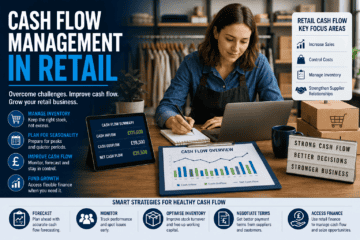
Cash Flow Management in Retail: Challenges and Strategies for Retailers

Effective cash flow management is essential for every retail business. Whether operating a high street shop, ecommerce store, or multi-channel retail operation, maintaining healthy cash flow helps ensure the business can manage stock levels, cover operating costs, and respond quickly to changing customer demand. Retailers often face additional cash flow pressures due to seasonal trading …

4 Mins Read
arrow
Information
21st August 2026
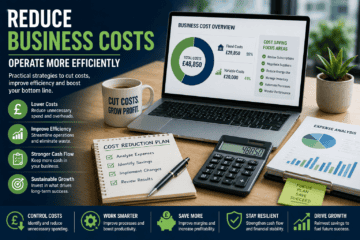
How to Reduce Business Costs and Operate More Efficiently

Rising operating costs continue to place pressure on UK businesses across nearly every sector. From energy bills and staffing costs to supplier pricing and technology upgrades, maintaining profitability often depends on how efficiently a business manages expenditure. Reducing business costs is not simply about cutting spending. It is about improving operational efficiency, protecting cash flow, …

4 Mins Read
arrow
Information
18th August 2026
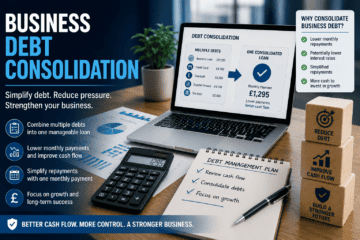
Business Debt Consolidation: How and When to Manage Existing Business Debts

Managing business debt is a normal part of running and growing a company. Whether funding expansion, purchasing equipment, managing cash flow, or covering unexpected costs, many businesses rely on borrowing at different stages of growth. However, when multiple repayments begin to place pressure on cash flow, business debt consolidation may help simplify finances and improve …

4 Mins Read
arrow
Newer
Back To Main Blog
Older

We are here to help

Still have questions?
Why not speak to a real person!
Expert help, whenever you need it.

Call us:
01277 239943

Opening hours (Exc bank holidays)
8:30am - 5:30pm Mon to Thu
9am - 5pm Friday

We are here to discuss your options, assist with existing agreements and are more than happy to take applications over the phone.

Alternatively, here you will find the answers to some
frequently asked questions relating to our products and services.

Clear Business Finance Clear Business Finance
#ClearTheWay
Get A Finance Quote

Check your business’s eligibility -
it's completely risk free!

  • Learn More
    • About Clear
    • Meet The Team
    • Careers
    • Environmental Pledge
  • Products
    • Equipment Finance
    • Business Loans
    • Vehicle Finance
    • Invoice Finance
    • Development Finance
    • Green Energy Finance
    • Merchant Cash Advance
  • Offering Finance
    • Accountant Referral Program
    • Finance for your Customers
    • Finance Training
    • Brands We Work With
  • Finance Explained
    • Sectors We Help
    • Case Studies
    • Blog
  • Equipment Finance
    • Leasing
  • Invoice Finance
    • Select Invoicing
  • Development Finance
    •  
  • Finance Explained
    • Sectors We Help
  • Business Loans
    • Unsecured Loans
  • Offering Finance
    • Finance for your Customers
    • Finance Training
  • Sectors We Help
  • Vehicle Finance
    •  Vehicle Leasing
  • Learn More
    • About Clear
    • Meet The Team
    • Careers
  • Products
    • Equipment Finance
    • Business Loans
    • Vehicle Finance
    • Invoice Finance
    • Development Finance
    • Green Energy Finance
    • Merchant Cash Advance
  • Offering Finance
    • Accountant Referral Program
    • Finance for your Customers
    • Finance Training
    • Brands We Work With
  • Learn More
    • About Clear
    • Meet The Team
    • Careers
    • Environmental Pledge
  • Finance Explained
    • Sectors We Help
    • Case Studies
    • Blog
Trustpilot
Linkedin-in Facebook-f Twitter Instagram Whatsapp

© Copyright Clear Business Finance. All rights reserved.
Suite 6, Ripon House, 35 Station Lane, Hornchurch, Essex, United Kingdom, RM12 6JL

Clear Business Finance is the trading name of Clear Asset Finance Limited, incorporated in England and Wales, company number 07462914.
Clear Business Finance is an independent finance brokerage not a lender, as such we can introduce you to a wide range of finance providers depending on your requirements and circumstances. We work with a panel of Lenders whose particulars will be supplied upon request to find a potentially suitable solution. We are not financial advisers and are unable to provide you with financial advice. Clear Business Finance will receive commission from the finance provider if you decide to enter into an agreement from them, details can be provided on request. Clear Asset Finance Ltd T/a Clear Business Finance is Authorised and Regulated by the Financial Conduct Authority under ICO Registration No Z2495520. Registered address: Suite 6, Ripon House, 35 Station Lane, Hornchurch, Essex, United Kingdom, RM12 6JL. Clear Business Finance can be contacted by email at info@clearbusinessfinance.com

  • Privacy Policy
  • Terms Of Business
  • Complaints Policy

website design by Impact Media ® Impact Media